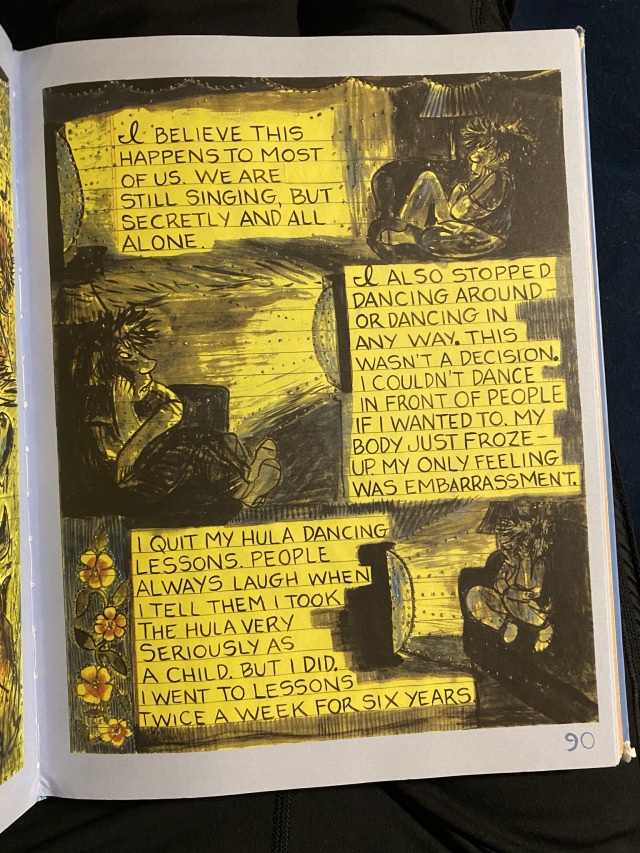
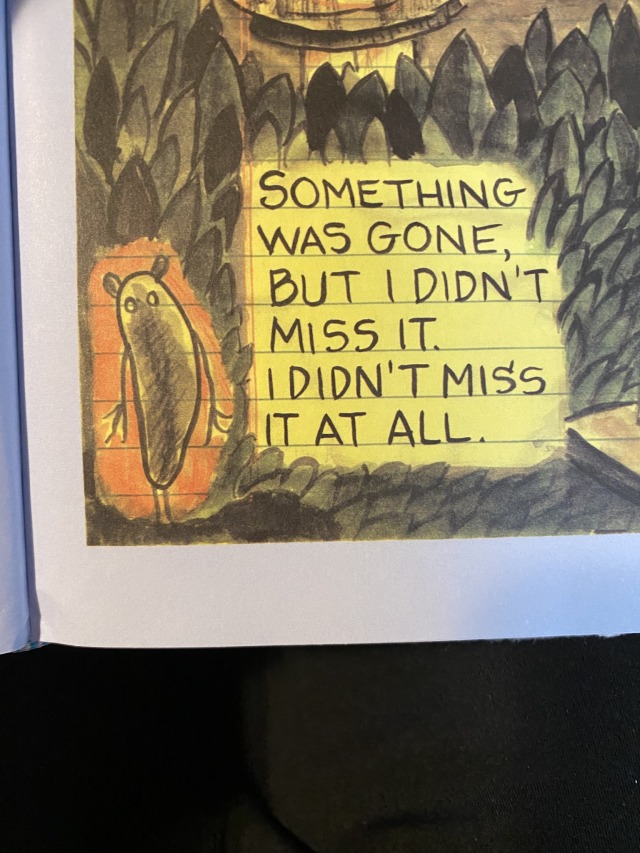
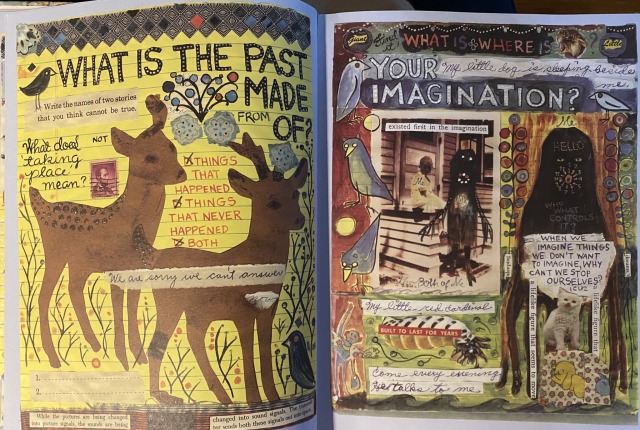
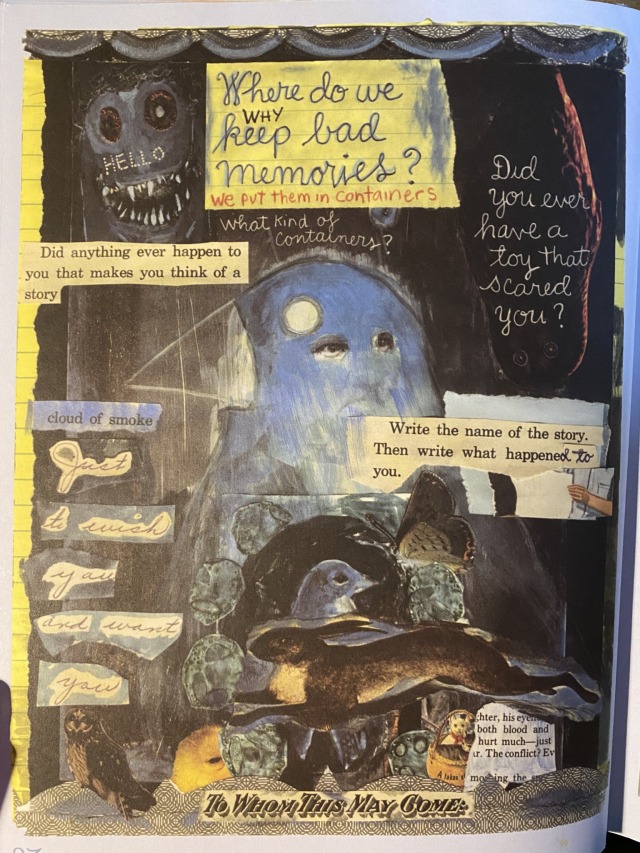
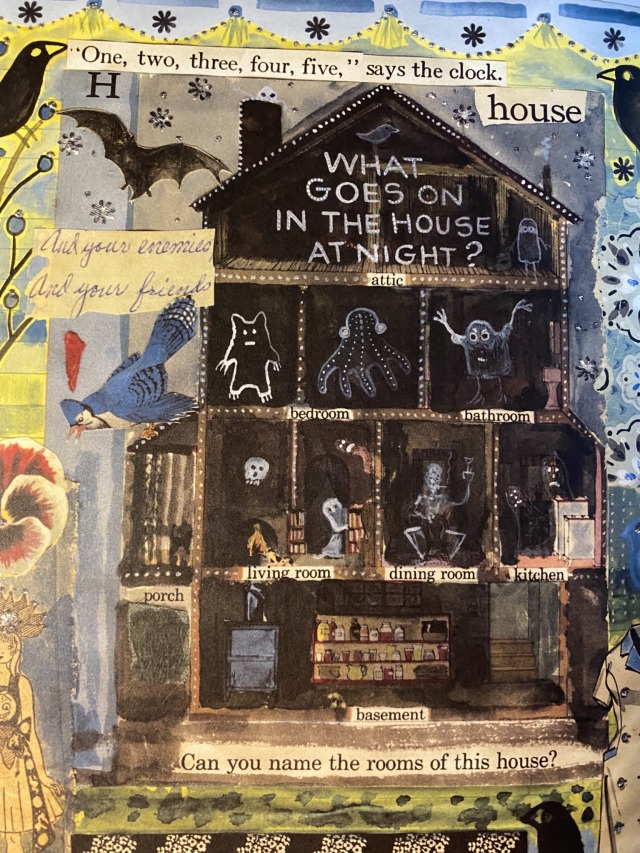
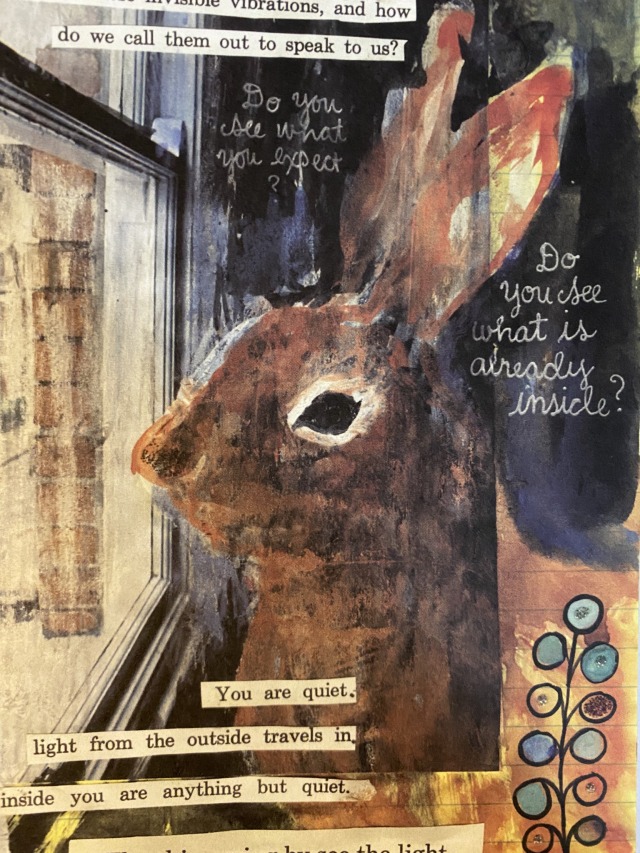
Contemplative dissonance from What It Is by Lynda Barry.
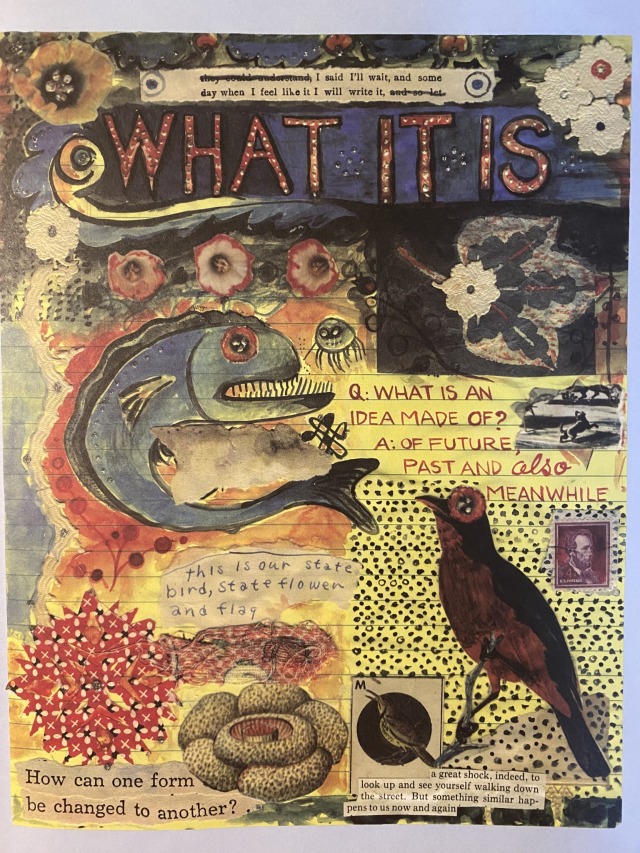
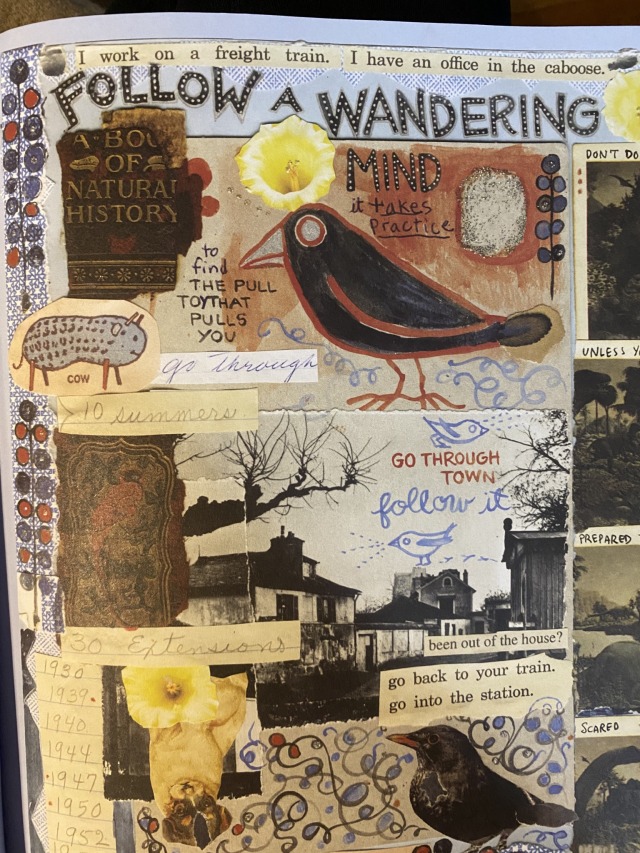
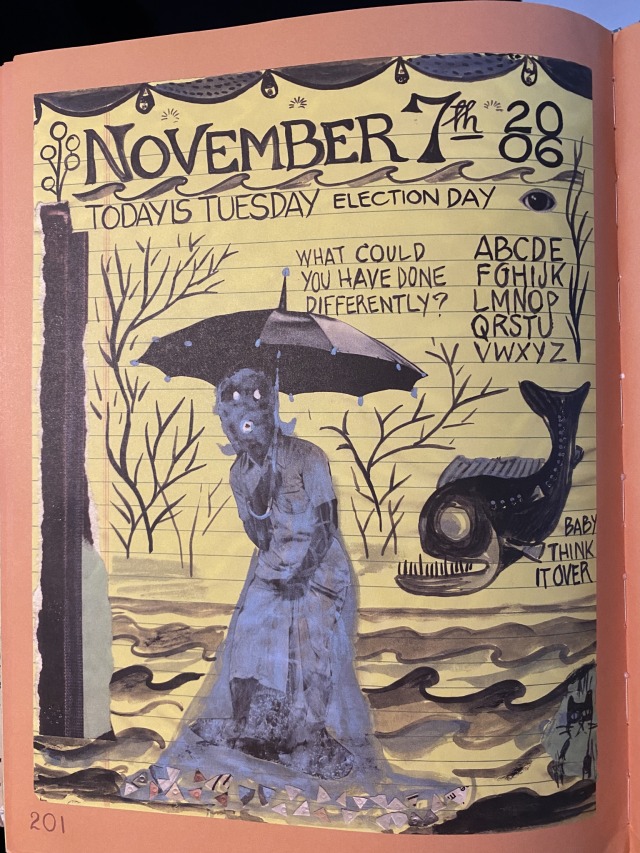
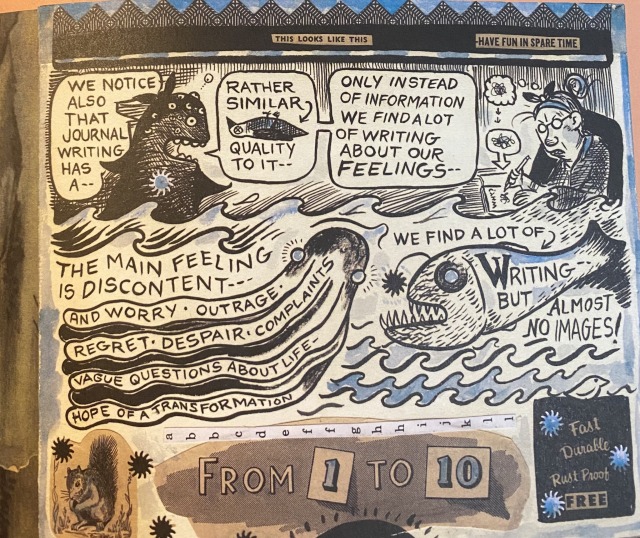
Contemplative dissonance from What It Is by Lynda Barry.
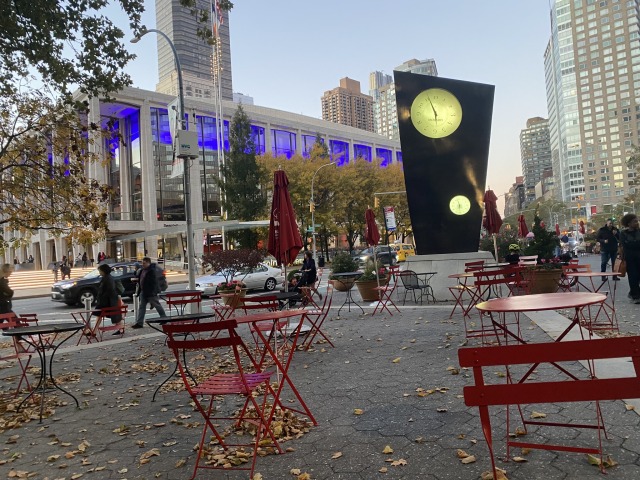

Excellent (if unseasonably warm) Thursday in early November. Ate pizza in Dante Park and decompressed in the changing breeze and changing light. Reflected on time while staring in the general direction of two clock faces.
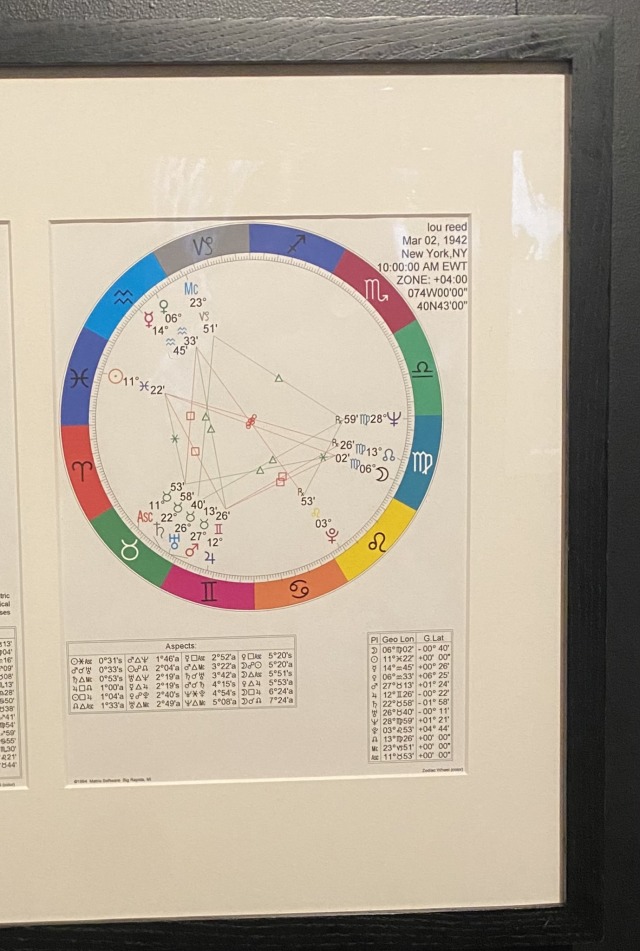
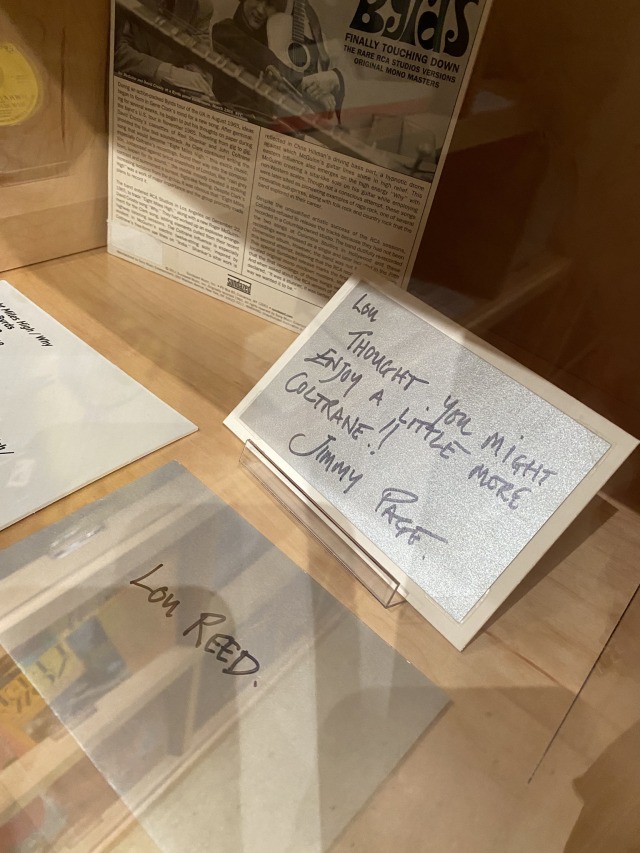
Used my spare hour sitting on various surfaces around Lincoln Center plaza, watching the three-quarters-full moon rise. Then, I did what I always do in in-between moments like this and explored the nearest NYPL branch, which just so happened to be running a free exhibition on the life and times of Lou Reed. Greatly enjoyed reading his journal excerpts and written/typed correspondence with other artists (ephemera forever). Paul McCartney sent Lou his new album on vinyl in 1994, saying in his letter: “I understand that when warmed up [the record] can be made into a rather attractive plant pot holder.”
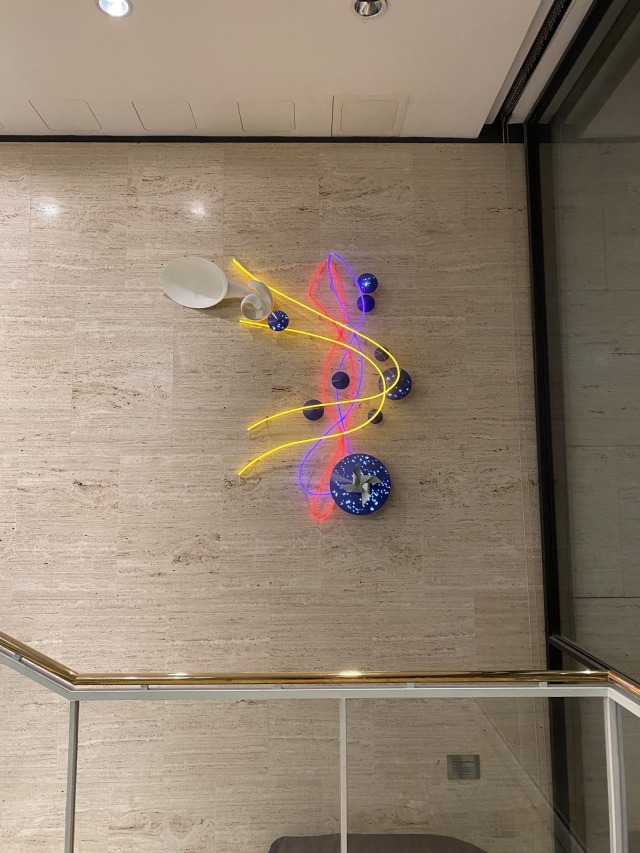
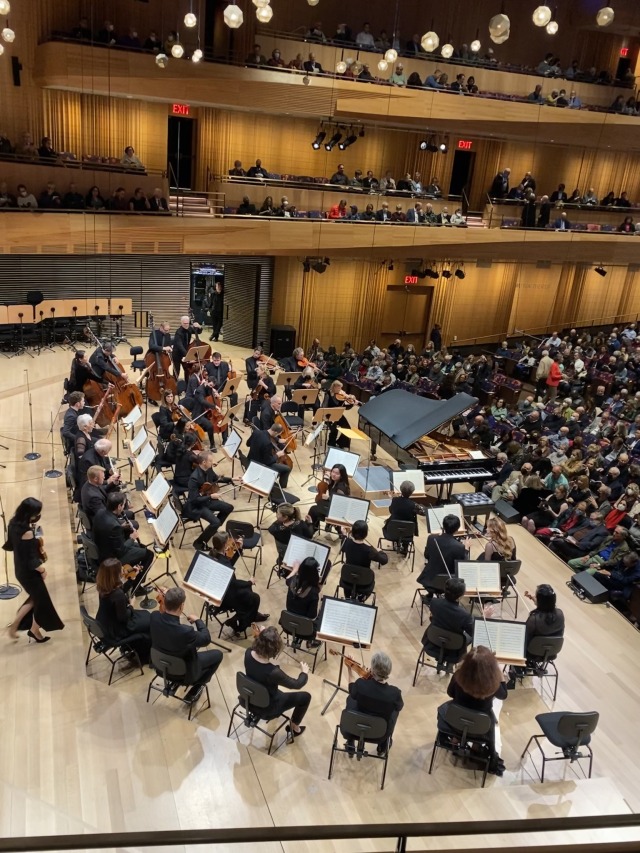
Then, over to the new Wu Tsai Theater at David Geffen Hall. I sat in the perfect overhead position to observe Jaap van Zweden’s expressions the entire time. I’m not the first person to say that the acoustics in the newly renovated hall are incredible, but the opening notes of Brucker’s Symphony No. 7 were achingly crystalline. (They were also the very same notes that the Philharmonic played to christen the new theater when it reopened to them months ago).
That Bruckner, though. I knew nothing about him before this, and I doubt that most musical laypeople do either. From the program: “Posterity wants to know about the lives of great composers even though they often do not lead ones of much interest, which puts biographers at pains to construct engaging stories. In Bruckner’s case, almost the opposite is true: casting his life as largely uneventful has its own perverse appeal. Rather than struggling with hearing loss or psychosis … Bruckner suffered from depression, which, although genuinely debilitating, does not make for an interesting biography.”
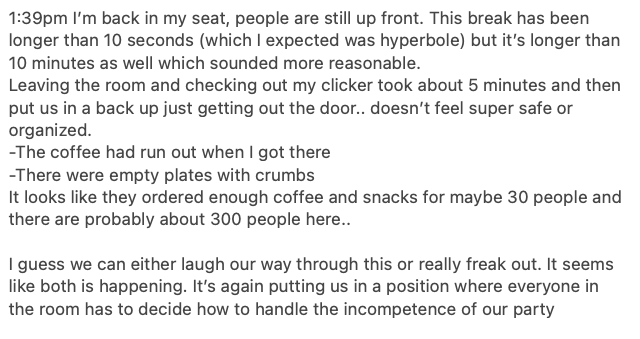
I may not live in Jessi Highet’s district, but I do enjoy following the situational absurdity in her County Committee Meeting minutes.
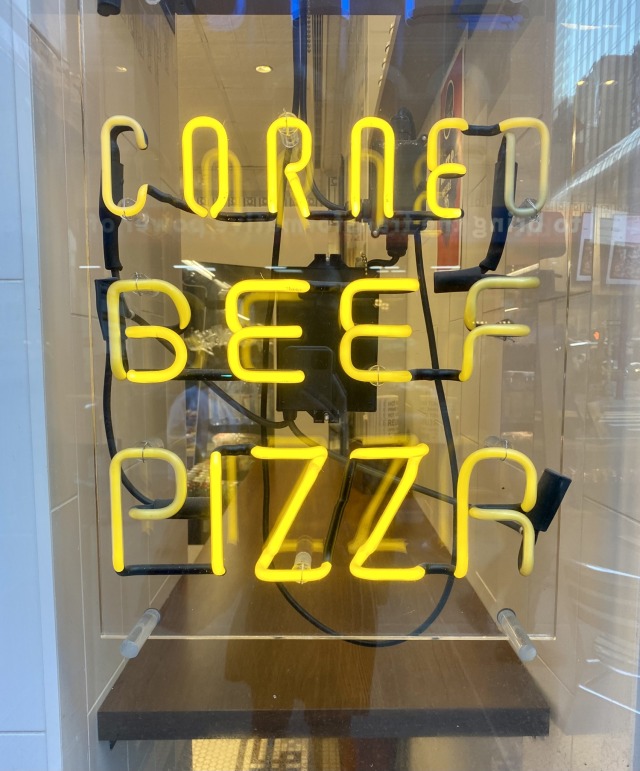
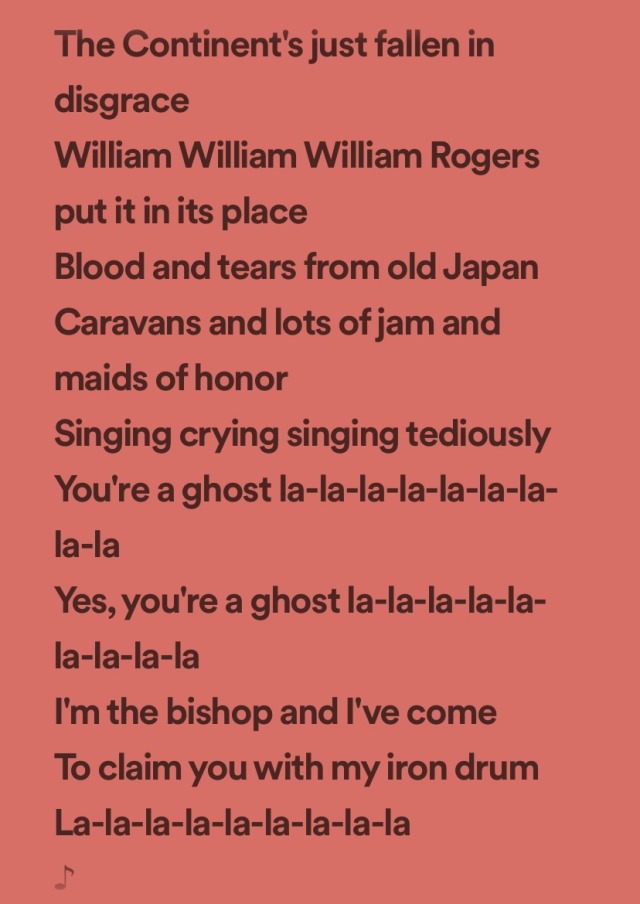
“Now I know my horoscope: it’s a ‘good day,’ full of ‘unusual opportunity’ with a ‘tempting offer’ for ‘a lucrative position promising unexpected personal reward.’”
— Toni Bentley, The Surrender
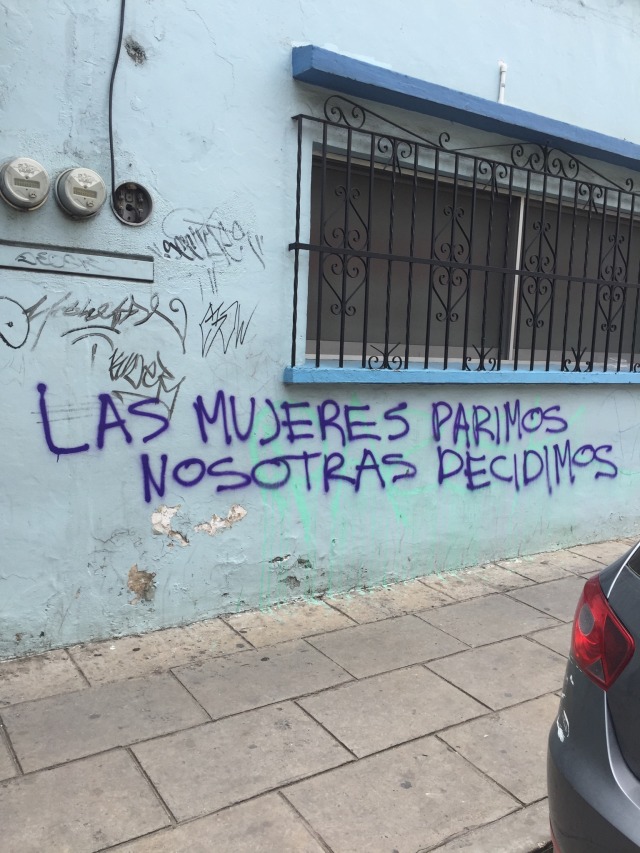
“We women give birth we decide.” Oaxaca, 2019
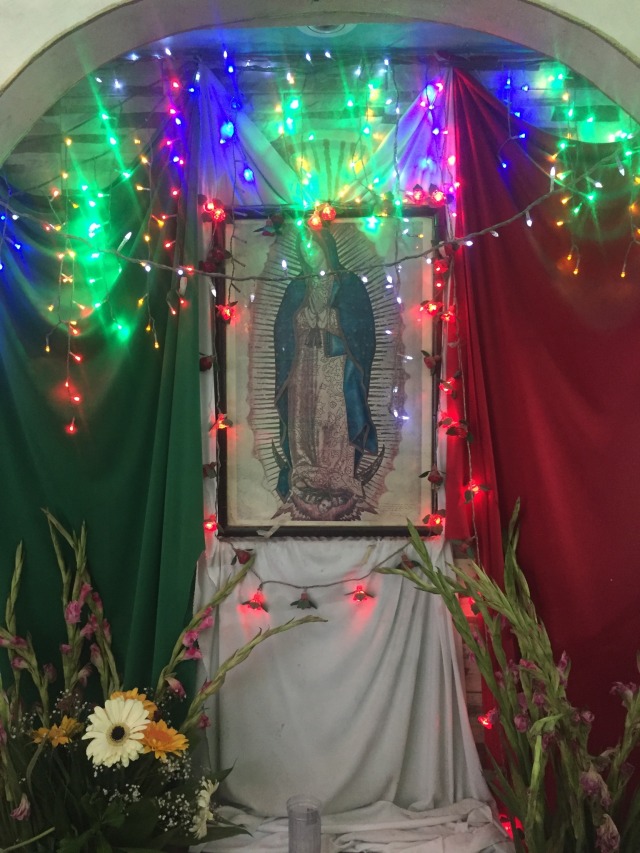
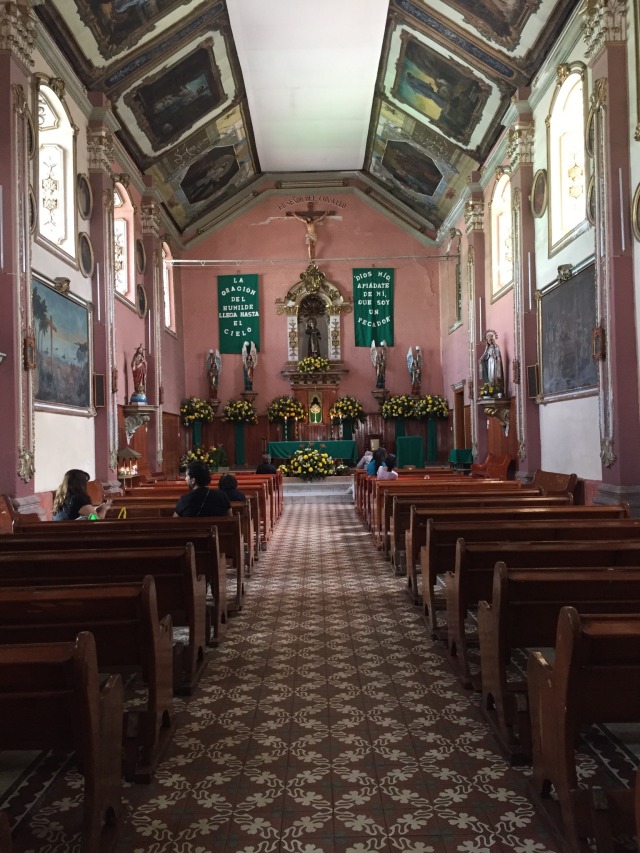
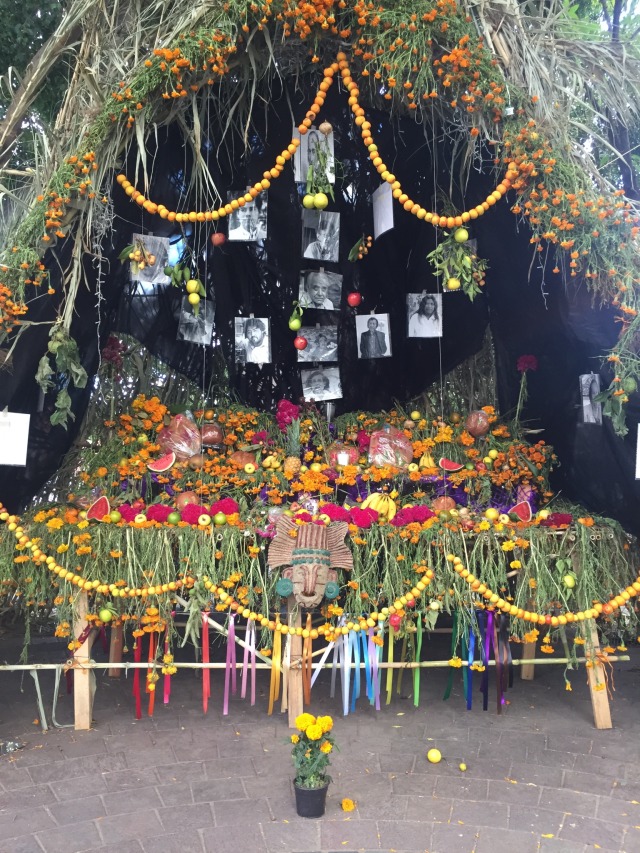
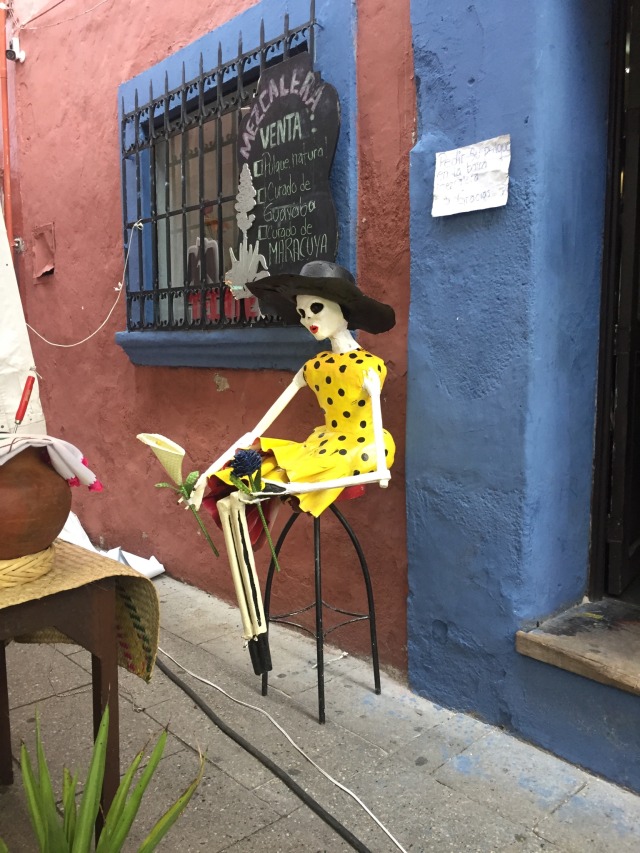

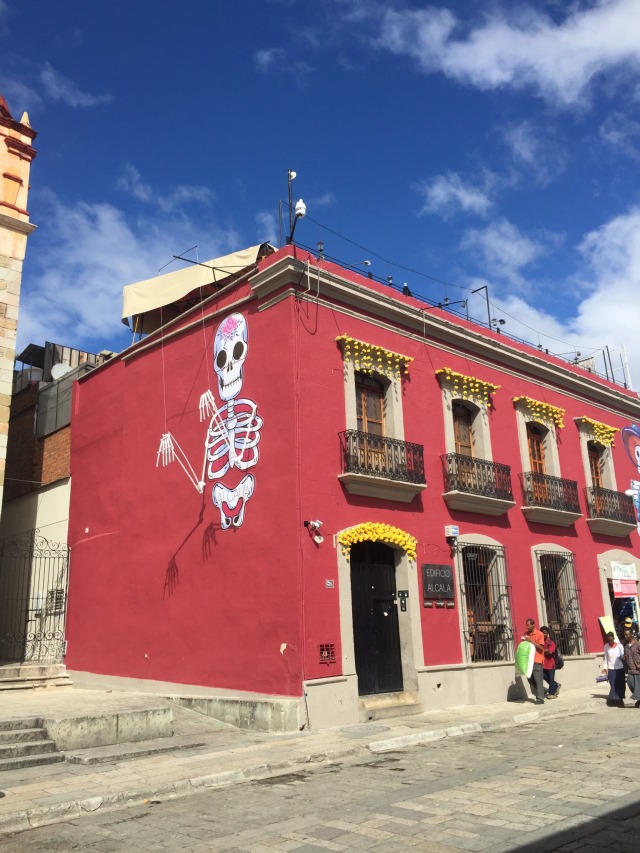
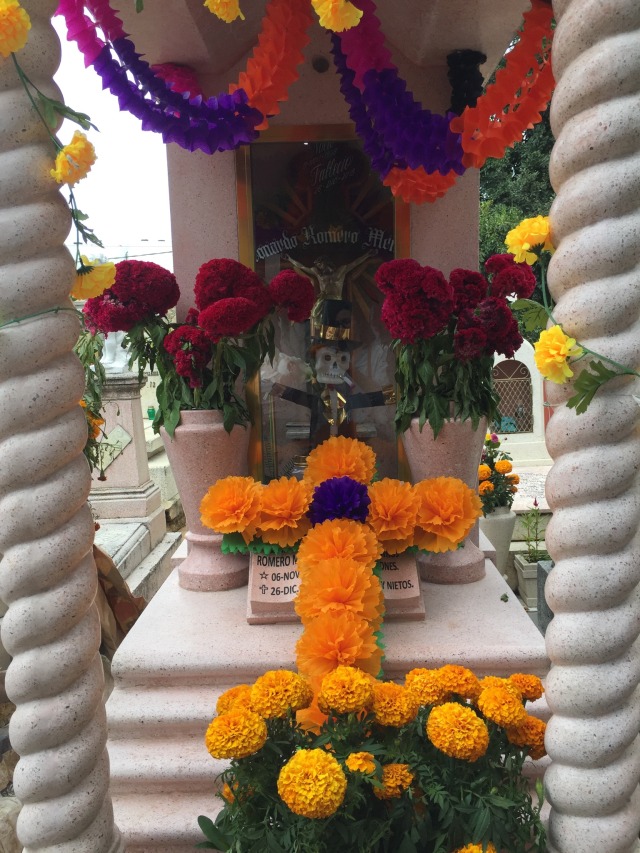
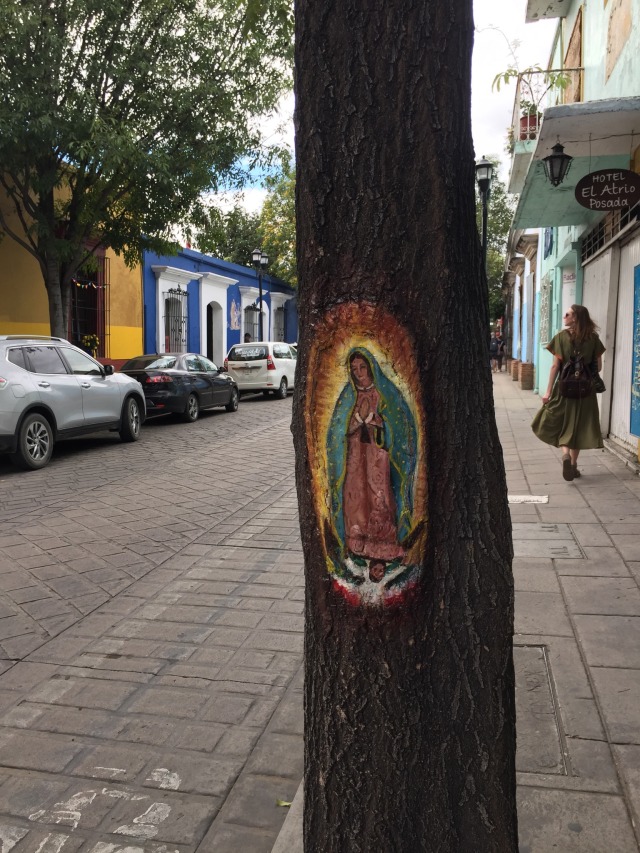
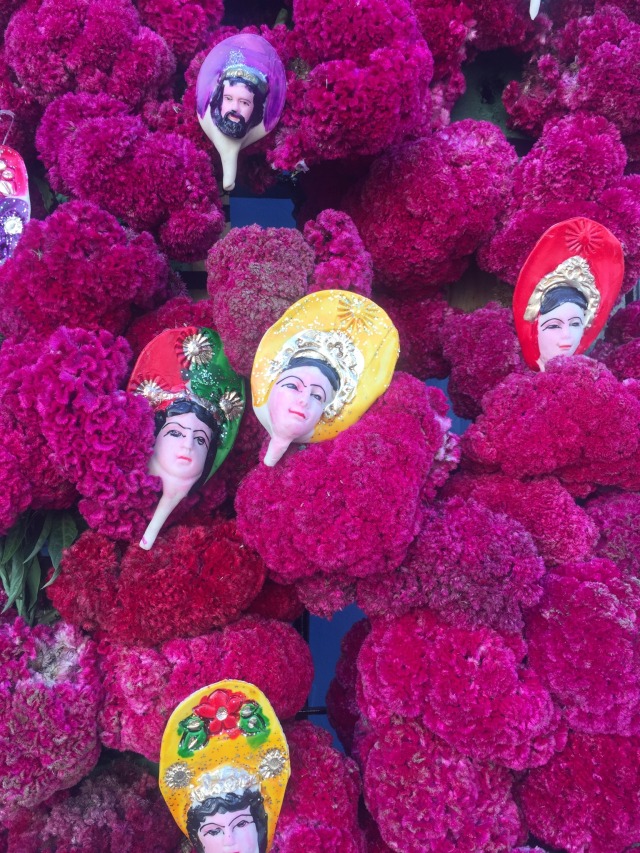
Día de los Muertos, Oaxaca, 2019
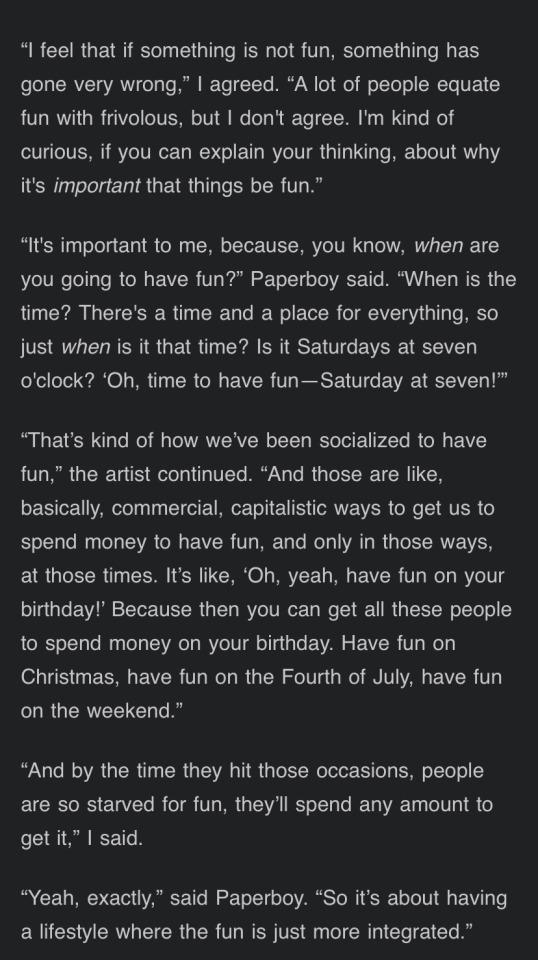
(via CAFÉ ANNE)
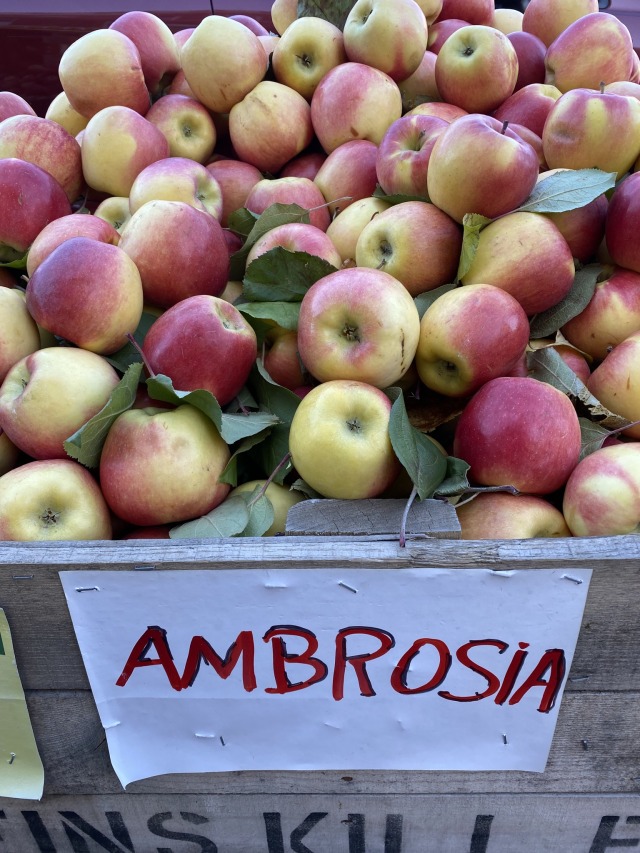
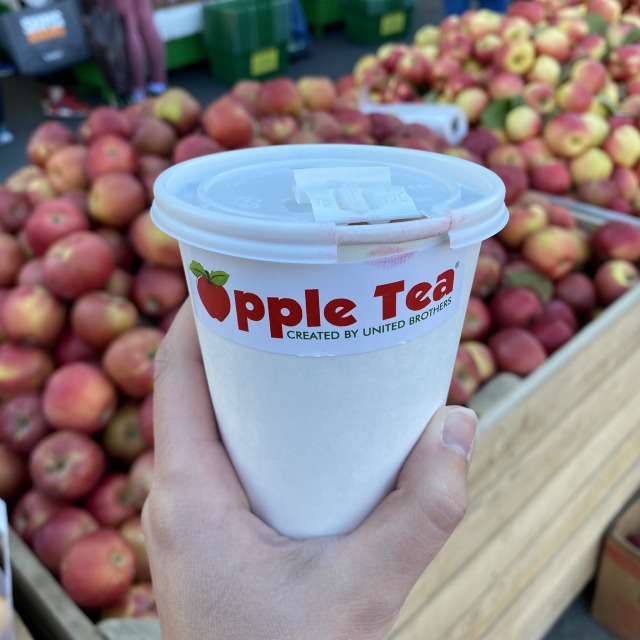
Ambrosia³
What is this compulsion to press on the bruise, plunge into sensation that challenges and discomfits me, immerse myself in vibration? At a spiritual level, I am drawn to intense physical sensations. It has something to do with control, though not necessarily about relinquishing all of it. Something tightly wound goes slack; something frantic gets quiet and still. I am floating on pure presence and laid emotionally bare. In these specific, never-to-be-replicated moments, I am overcome. Inner realms rehydrate like moss after rain.
“I am very glad I can cook. I am glad I enjoy eating. I am glad people taught me how to make a table welcoming. As superficial as these acts of pleasure are, sometimes they feel like they are the only real things I can rescue from life. Along with gardening, or creating of any kind, for that matter. Life is horrible, and hard and I have no idea why people keep making more people, to perpetuate the whole damn mess. Someone once wrote that my book has no darkness in it. I had to laugh. Sadly. Because it is all about darkness. All the gardening, the cooking, the foraging, the flowers. My light sabers, swung and sliced at the darkness. I’m not sinking into the abyss. Don’t fret. It’s inside me, always has been, always will be.”
(via Marie’s blog circa 2014)
“So (obsessive-compulsive behavior) is really an unmediated, archetypal affect that is persecutory and has to be propitiated in these highly ritualized ways… rage is what is often underneath that which was not allowed, and so it can get channelled into a kind of righteousness or over-rationalization or a rigid kind of morality. Because that’s okay, there’s a structure for that. Whereas, underneath there’s this unmediated, disallowed affect. So maybe both of those are underlying dynamics of an inability to relate to a positive and benevolent archetypal god image. And the forbidden affect of aggression, rage, and the forced compliance, underneath which something else is seething.”
“There’s a real split between good and bad, nice and nasty, cooperation/compliance versus rebellion or defiance, neat/messy. So there’s such an inability to hold ambiguity and having opposing feelings.”
— Deborah Stewart on This Jungian Life