
TGIT for real
TGIT for real
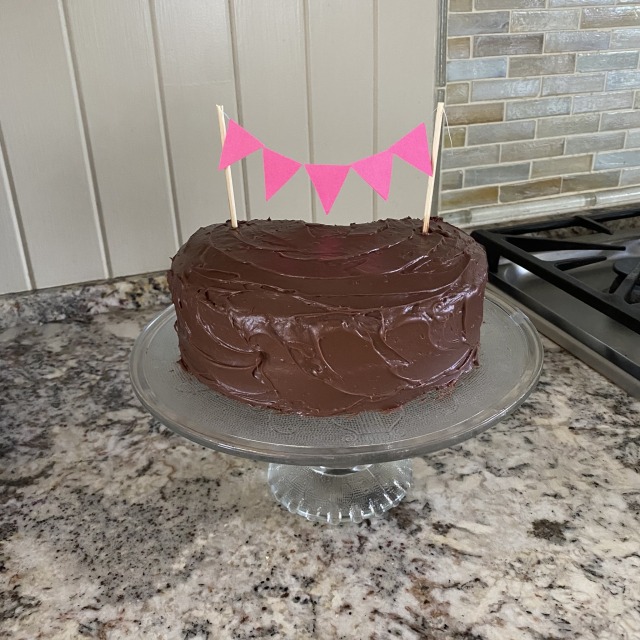
There is a hilarious story about this cake that I’ll have to tell you about some other time. Suffice it to say, I really miss baking and blogging about my lil snacking cakes! My baking motivation goes into hibernation over the summer, but I so enjoyed making this one super late at night on Friday. It’s a very introspective/meditative/romantic activity to do, and one I should do more often.
This is a double-choco cake and yes, this is a duncan hines-pillsbury joint!!! And it’s half-eaten already!! No shame!

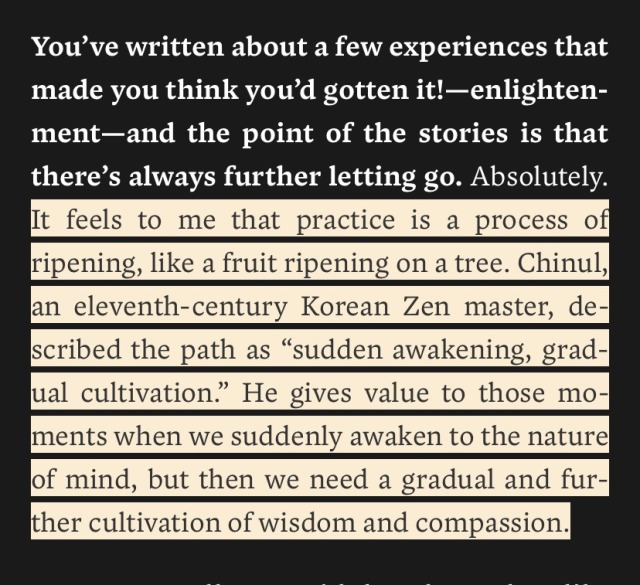
(source: Tricycle Mag)

I had the dream week off that I have been craving all my life. I’m so glad I did it my way: slow and chill. This is from the last day.
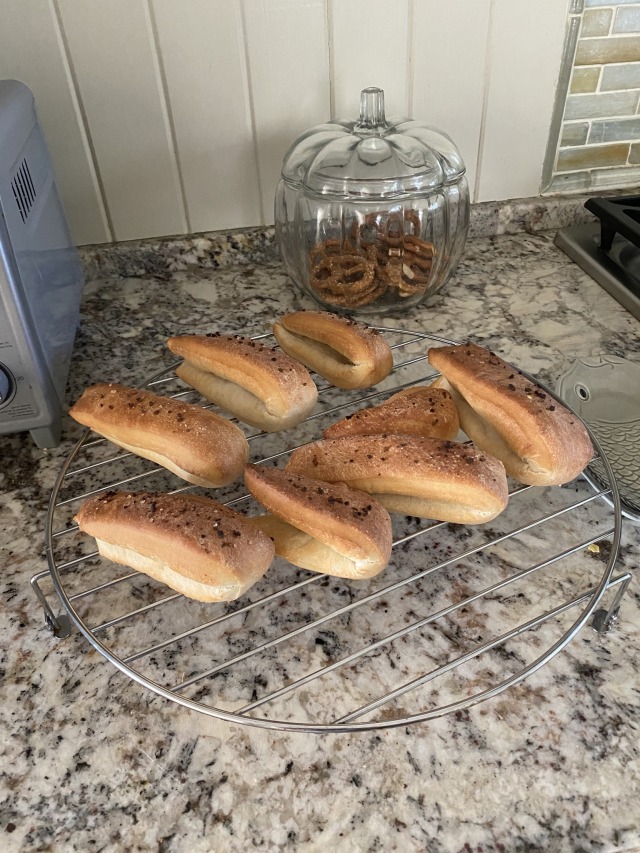
We scored some pizza dough from Theo Mike’s pizza place and I made some TRULY STRANGE breadsticks with them. I was going for an Olive Garden knockoff style and this was not that. But you know what? They were still damn good and very soft. I’m a little rusty, ok?!
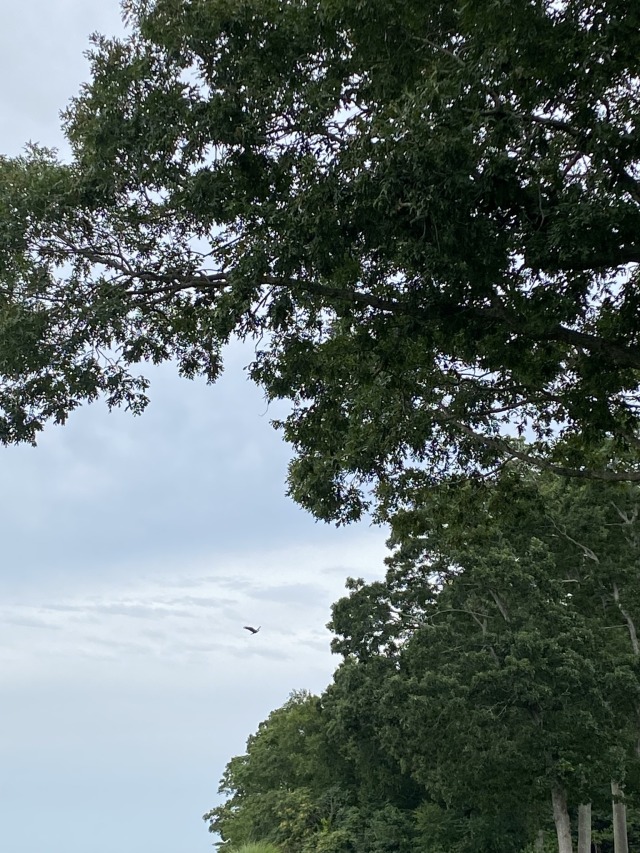
QUESTION: Is this a bald eagle?!?
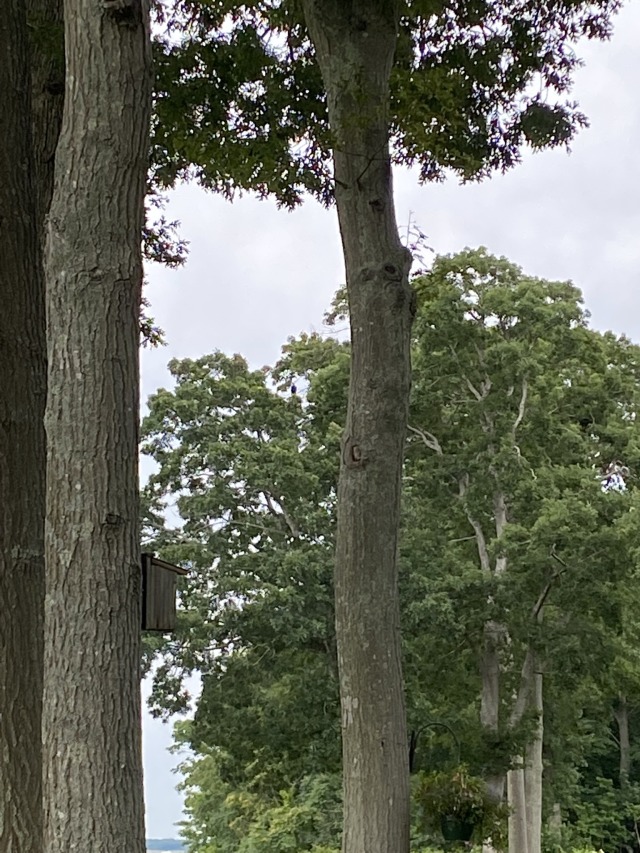
That posture feels right.
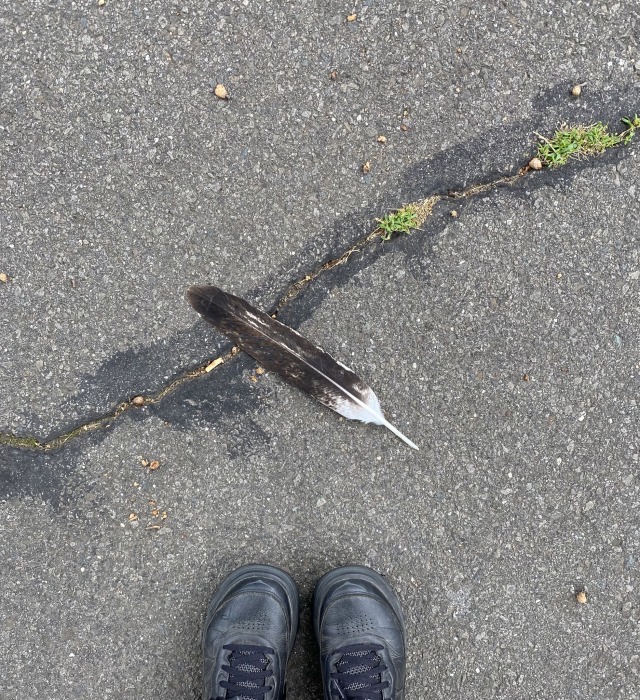
I want to believe. Ornithologists, get at me.

Micro-vacation on a Monday ✌️
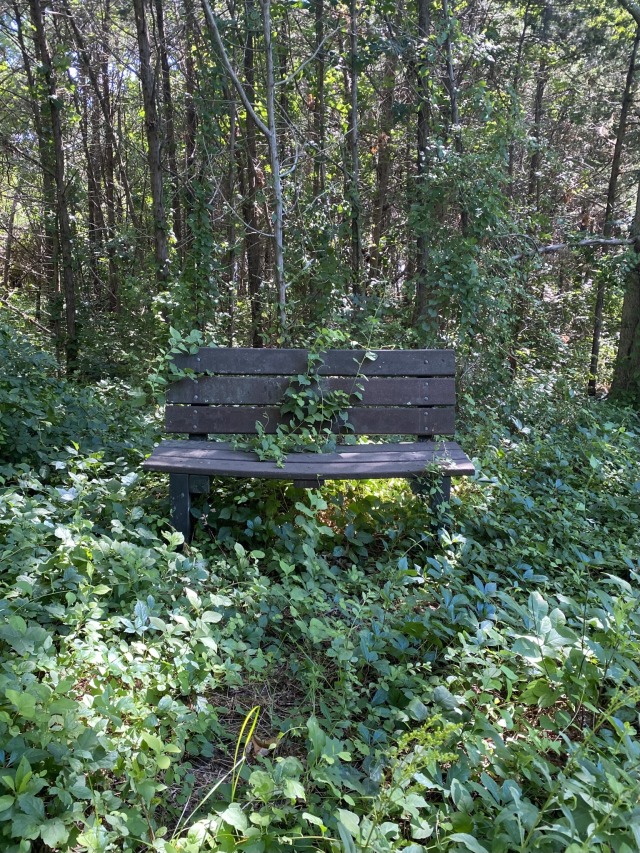
Me rn 🌿
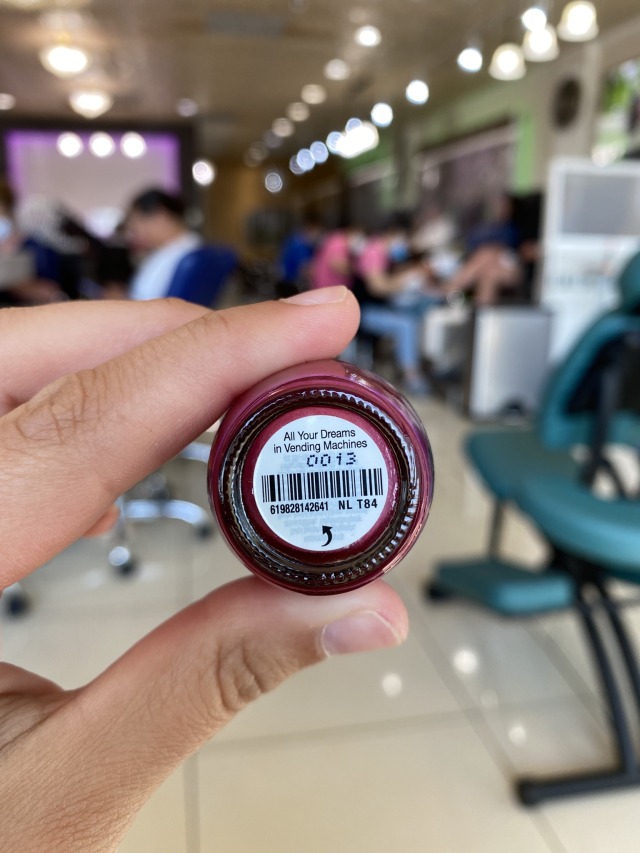
💅🏻🌀🍬


View from the shore of yesterday’s sailboat race ⛵️
A Most Beautiful and Creative Way to Keep a Secret
“Johannes Brahms … was tormented by his frustrated relationship with Agathe von Siebold to whom he was on the point of marrying in the summer of 1858. He was 25 years of age and she was 23. Ten years later, Brahms composed a string sextet in which he included the name of his old fiancée in the lyrics (except for the T, for which there is no equivalent in the German musical notation, and with the particularity that, in this composition, H corresponds to the note E).”
“Critics point out that the cryptogram A-G-A-H-E, during the first movement, is perhaps the greatest moment of relief from sorrow. ‘With this work, I’ve freed myself, at last, from love,’ Brahms wrote to his friend Josef Gänsbacher on the piece, which entered his catalog as the Sextet for Strings No. 2 in G major, Op. 36.”
Depression And The Composer: Rachmaninoff’s Story | Northwest Public Broadcasting
“For years, Rachmaninoff dealt with his depression the same way people have for centuries before modern therapies – he lived with it, he coped and he tried to move on. But then came a catalyst: the total disaster that was the premier of his first symphony.
For the next three years, Rachmaninoff was in a downward spiral – he barely composed and rarely performed. There was some good to come out of this rough period, however. He began gaining more confidence and experience as a conductor, he traveled, and became engaged to a long-time friend, Natalia Satina. His depression worsened until his family stepped in.
In early spring of 1900, Rachmaninoff’s aunt suggested he try a new treatment from Sigmund Freud called psychoanalysis. Rachmaninoff took this aunt’s advice and started seeing therapist Nicolai Dahl, a physician practicing hypnotherapy and psychotherapy.
By that summer, Rachmaninoff was back to composing and months later he was at the piano in front of an audience – confidence restored and playing portions of his Piano Concerto No. 2. When he finished the concerto, one year after starting therapy, he dedicated it to Dahl.”
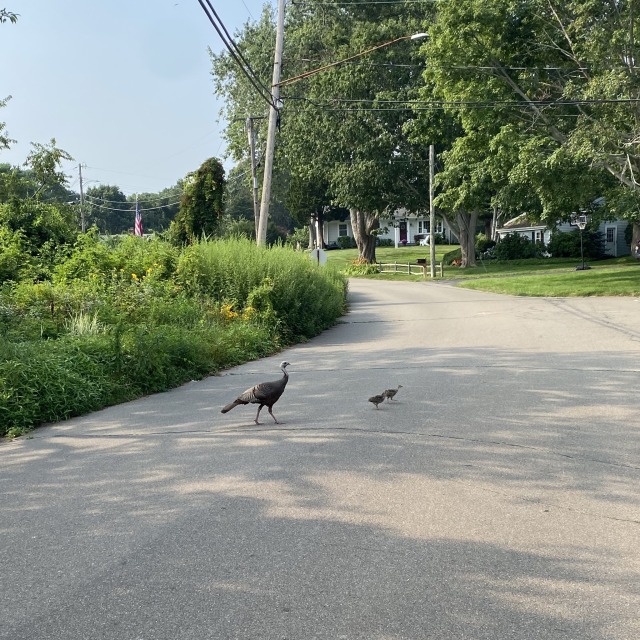
Turkey hen + two turklettes