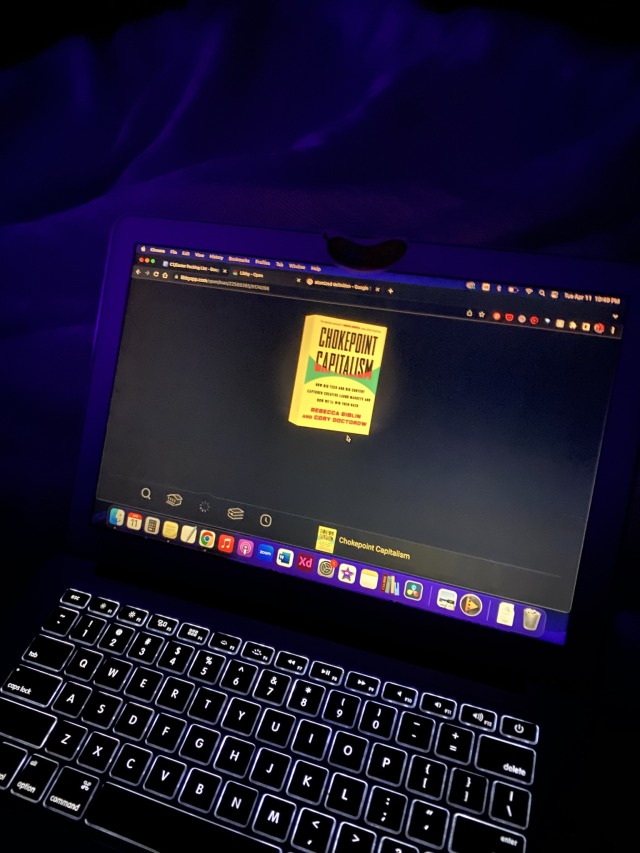
Casual bedtime read.
Casual bedtime read.
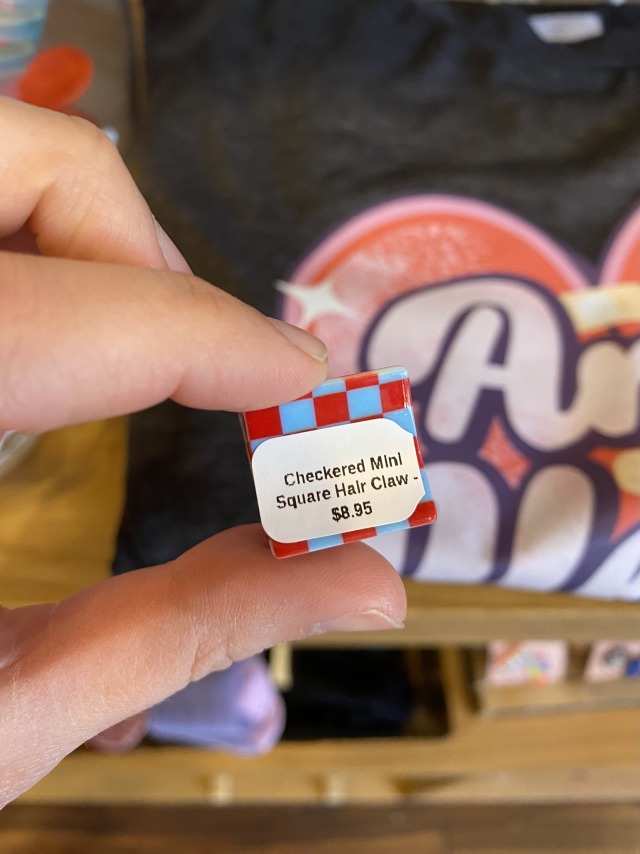
wtf
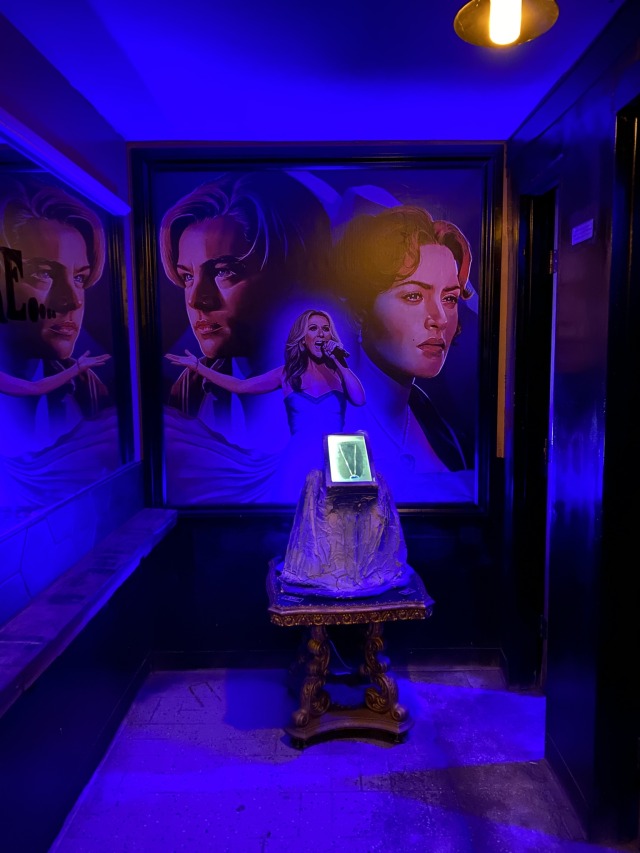
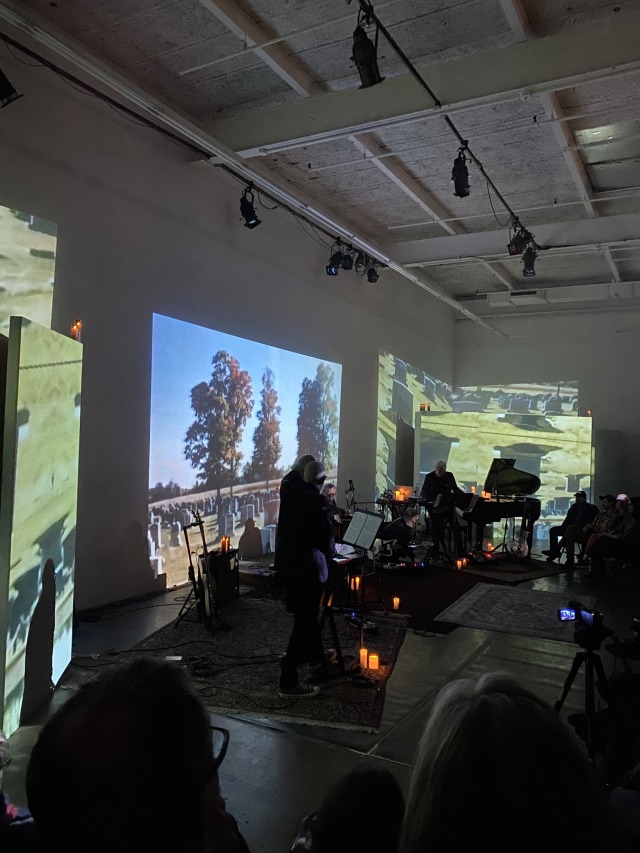
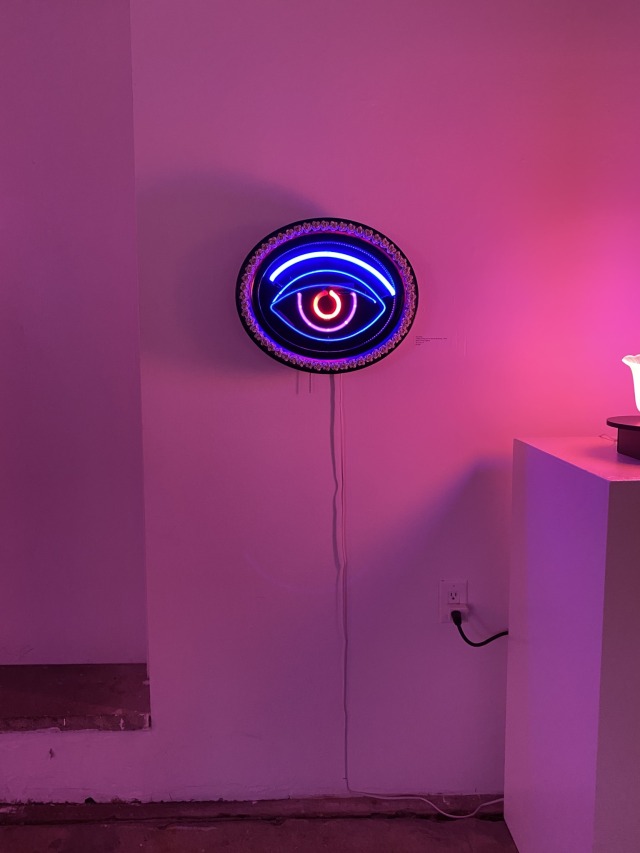
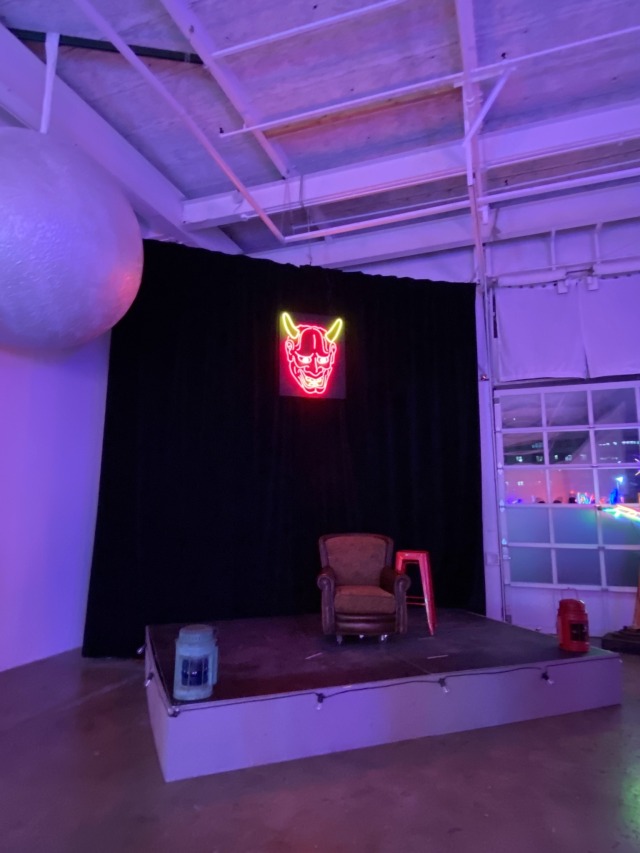
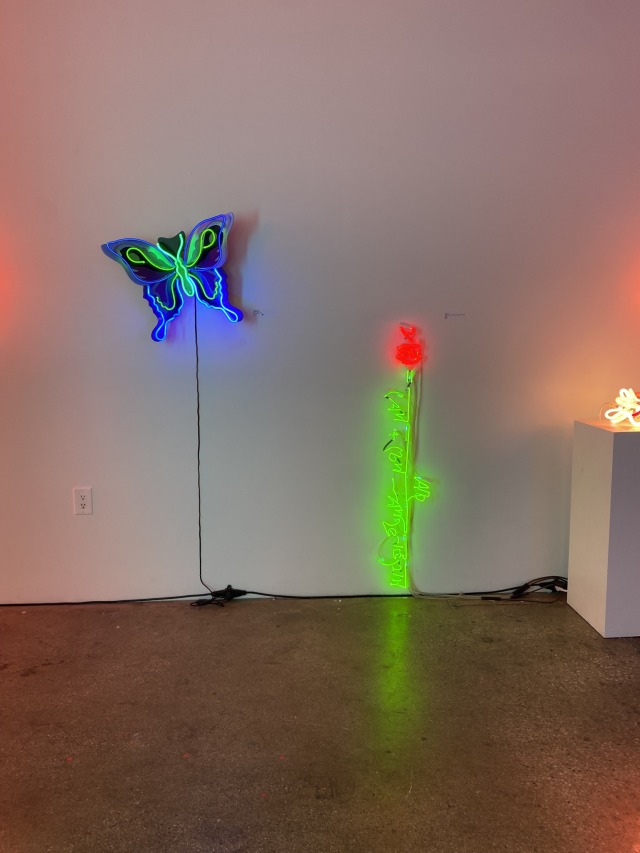


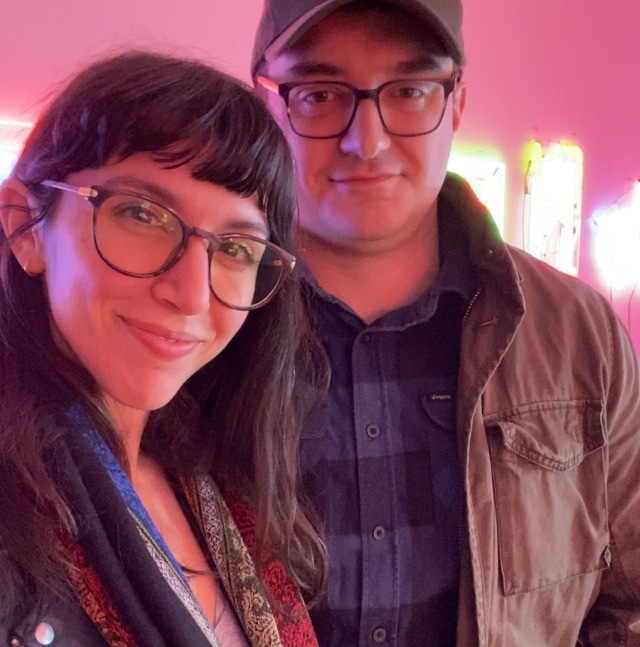
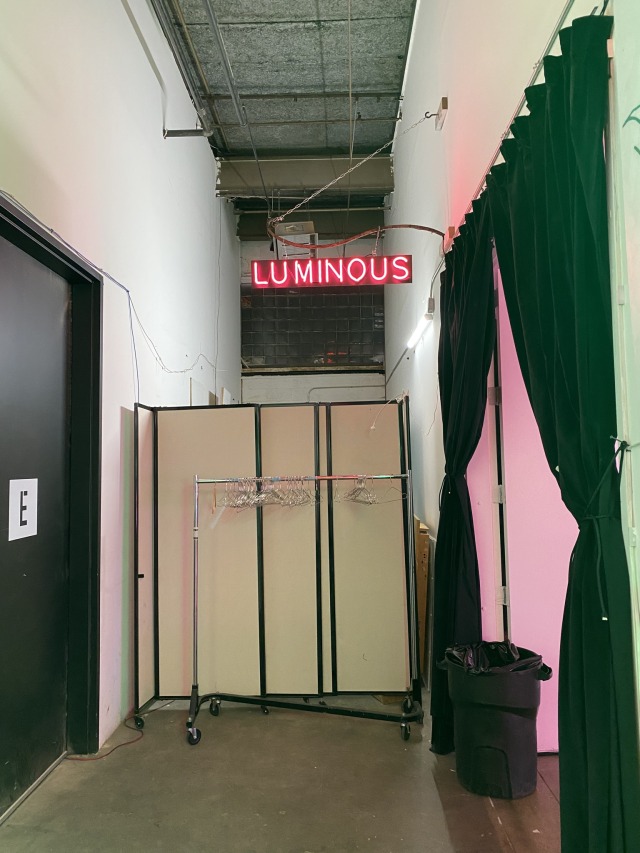
All aglow at the SUSS show 🔮
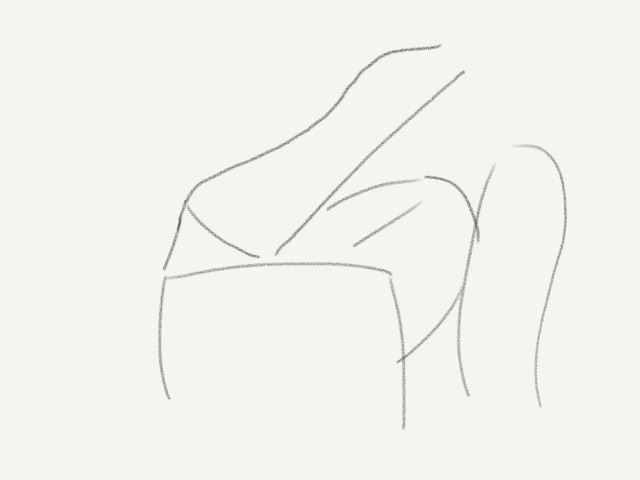
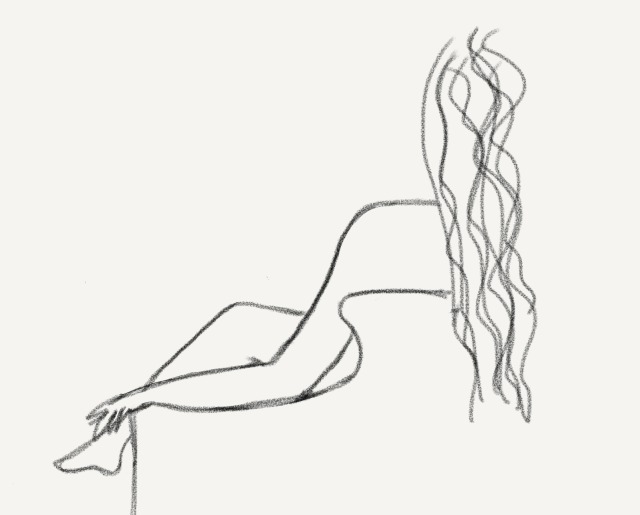
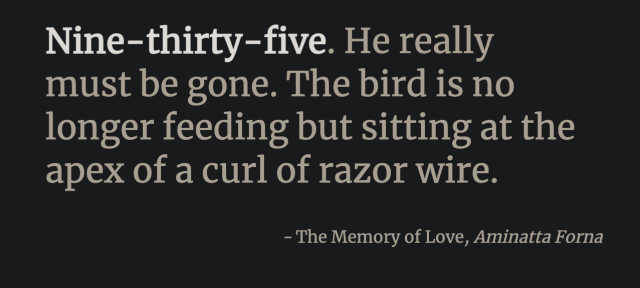
first / last
J.C. 4/5/23
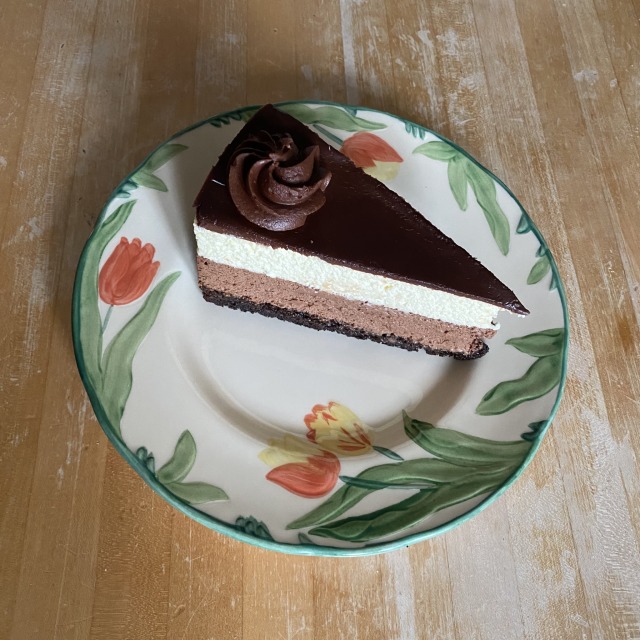
I’m grateful to have an incredibly thoughtful and caring boyfriend who brings over an ice pack and mousse cake when I’m laid out with a sore back. Already feeling so much better. ❤️
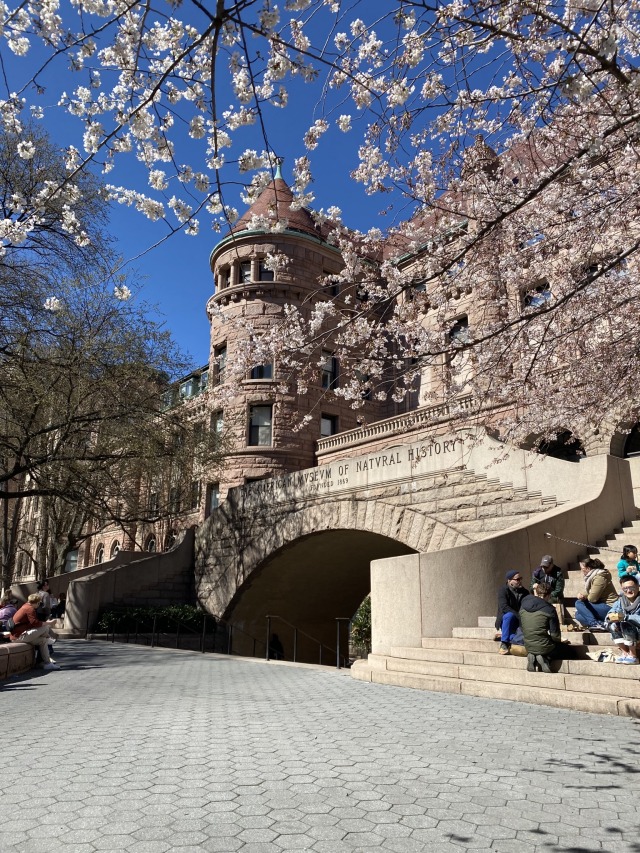
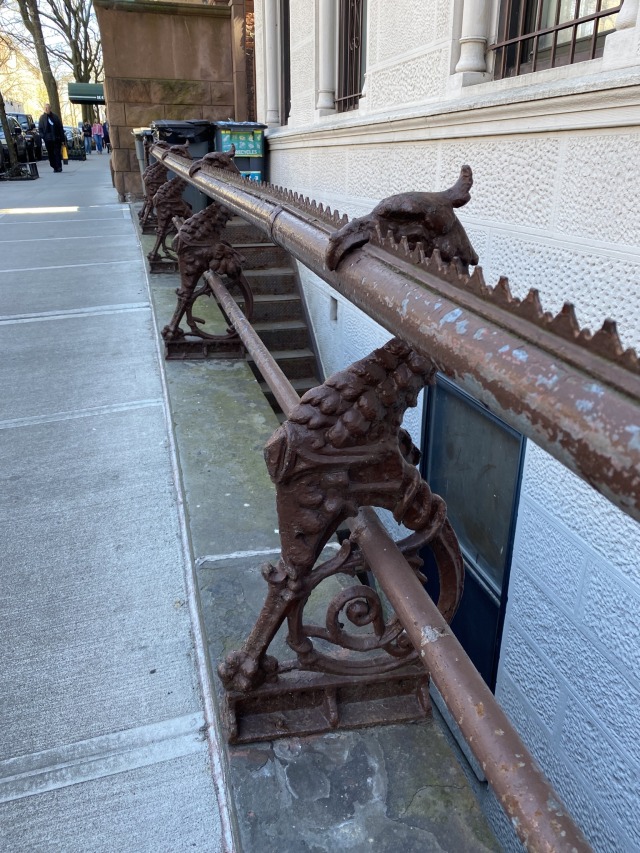
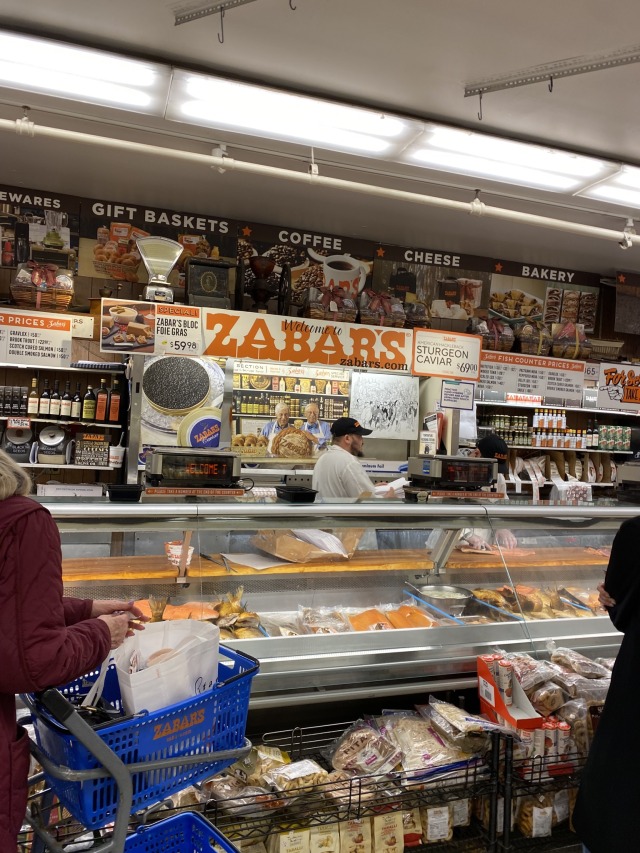
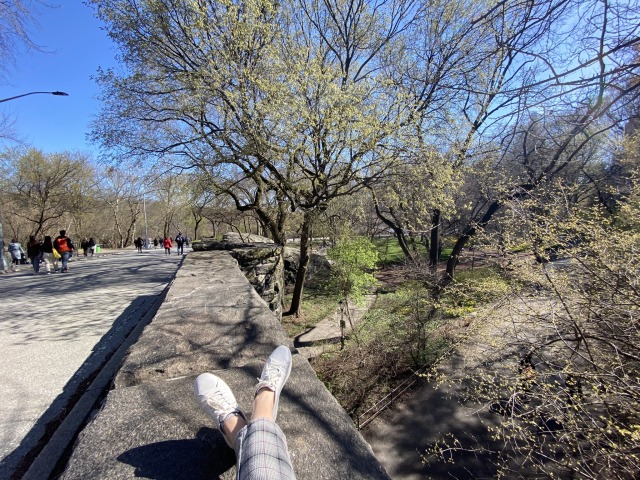
Sunday westside wandering
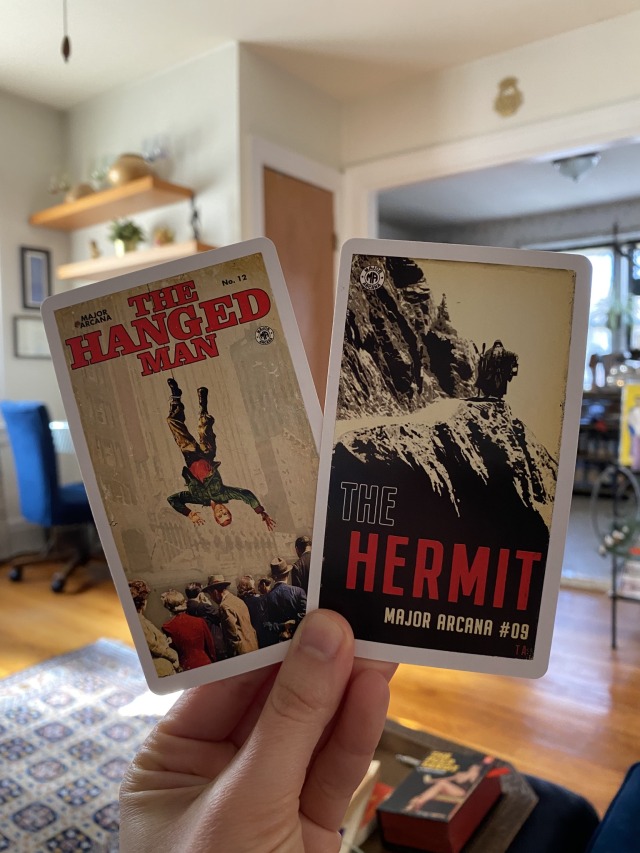
Here are the two cards I pulled this morning from Todd Alcott’s Pulp Tarot.
The Hanged Man here depicts a person who’s suspended himself upside-down, hanging by one foot. The calm, even impish expression on his face suggests that he has chosen to put himself in this position and knows exactly what he’s doing. He consciously sets himself apart from the rest of the people around him, grabbing their attention, sending a specific message with his actions, and cloaking himself in saintly color symbols (red = passion; blue = calm; yellow = intellect).
The Hermit depicts a man alone on the mountain, secluded and unfettered by outside influence and groupthink. A lantern of wisdom in one hand and a staff of self-control in the other guide him through the dark night of the soul. He’s in the midst of an introspective quest deep into the mysteries of reality.
I see these as two of the most individuated cards in the deck, representing an interesting polarity. The Hermit meditates in seclusion, away from the noise of the world, while The Hanged Man puts himself in an uncomfortable position in public, unabashedly making his original statement.
But just as The Hanged Man can’t stay suspended over the crowd for long without causing physical and psychological harm to himself, The Hermit’s deep spiritual insights will be meaningless if he stays in isolation and doesn’t practice his values amongst others in the world. They both risk becoming solipsistic and close-minded if they choose never to engage in good faith with the people around them and understand other perspectives. The Hanged Man needs to replenish his energy and contemplate the message behind his actions just as The Hermit needs to practice the philosophy he’s developed in solitude to see if it holds up.
Maybe neither of these guys likes being around other people very much. They’re both standing apart and living their personal values, albeit in pretty extreme ways. Perhaps there’s a less severe, more sustainable and balanced Middle Way to practice standing apart as well.
Double Concerto
Composed by Felipe Lara; conducted by Susanna Mälkki; featuring soloists esperanza spalding and Claire Chase.
I cannot express how incredible this was to see live at the NY Phil on Thursday night.
“The dharma is not something to believe in but something to do. The Buddha did not reveal an esoteric set of facts about reality, which we can choose to believe in or not. He challenged people to understand the nature of anguish, let go of its origins, realize its cessation, and bring into being a way of life. The Buddha followed his reason as far as it would take him and did not pretend that any conclusion was certain unless it was demonstrable.”
“The freedom of awakening is a relative freedom from the constraints of self-centered confusion and turmoil, from the craving for a fixed identity, from the compulsion to contrive a perfect situation, from identification with preconceived opinions, and from the anguish that originates in such attachments.”
“The resolve to awaken requires the integrity not to hurt anyone in the process. Dharma practice cannot be abstracted from the way we interact with the world. Our deeds, words, and intentions create an ethical ambience that either supports or weakens resolve. If we behave in a way that harms either others or ourselves, the capacity to focus on the task will be weakened. We’ll feel disturbed, distracted, uneasy. The practice will have less effect, as though the vitality of resolve is being drained. Ethical integrity is rooted in the sense of who we are and what kind of reality we inhabit.”
“Ethical integrity is not moral certainty… When we are faced with the unprecedented and unrepeatable complexities of this moment, the question is not “What is the right thing to do?” but “What is the compassionate thing to do?” This question can be approached with integrity but not with certainty.”
“As this kind of question becomes clearer it becomes more puzzling too. The understanding it generates does not provide consoling facts about the nature of life. This questioning probes ever deeper into what is still unknown.”
“Questioning is the track on which the centered person moves.”
“As we become aware of all this, we can begin to assume greater responsibility for the course of our lives. Instead of clinging to habitual behavior and routines as a means to secure this sense of self, we realize the freedom to create who we are. Instead of being bewitched by impressions, we start to create them. Instead of taking ourselves so seriously, we discover the playful irony of a story that has never been told in quite this way before.”
“As this kind of question becomes clearer it becomes more puzzling too. The understanding it generates does not provide consoling facts about the nature of life. This questioning probes ever deeper into what is still unknown.”
“In today’s liberal democracies we are brought up to realize our potential as autonomous individuals. It is hard to envisage a time when so many people have enjoyed comparable freedoms. Yet the very exercise of these freedoms in the service of greed, aggression, and fear has led to breakdown of community, destruction of the environment, wasteful exploitation of resources, the perpetuation of tyrannies, injustices, and inequalities. Instead of creatively realizing their freedoms, many choose the unreflective conformism dictated by television, indulgence in mass-consumerism, or numbing their feelings of alienation and anguish with drugs. In theory, freedom may be held in high regard; in practice it is experienced as a dizzying loss of meaning and direction.”
“One of the most difficult things to remember is to remember to remember.”
Quotes from Buddhism Without Beliefs by Stephen Batchelor, a wonderful book of the same contemplative vein as Jon Kabat-Zinn’s Wherever You Go, There You Are.
3 tbsp. extra-virgin olive oil, divided
1 large shallot, minced
3 cloves garlic, minced
1 tsp. dried oregano
1 tsp. curry powder or Old Bay seasoning
1 tsp. freshly ground black pepper
2 tbsp. tomato paste
1 anchovy fillet (optional)
small handful of capers or chopped olives or olive tapenade
Kosher salt (to taste, add last)
2 (15.5-oz.) cans chickpeas and cannellini beans, drained
2 (14-oz.) cans crushed tomatoes
1 tsp. better than bouillon w/ ½ cup water (add more water as needed)
spinach (fresh or frozen)
peas (fresh or frozen)
broccoli florets (fresh or frozen)
1 can of corn
1 carrot, sliced
6 dried shiitake mushrooms, chopped and rinsed
parsley (fresh or frozen)
- Before starting, chop/mince all ingredients and open/drain all cans that you’re using.
- In a large pot over medium/low heat, heat 2 tablespoons EVOO. Add shallots and garlic and cook, constantly stirring about 5 minutes till everything is golden brown.
- Add cracked pepper, oregano, any other dry seasonings, and sliced carrot (if using) and stir until fragrant, 1 minute. Add anchovy (if using), capers/olives, and tomato paste and stir until everything is incorporated.
- Add the remaining 1 tablespoon of EVOO. Add in the beans, crushed tomatoes, and bouillon/water. Stir 1 minute. Add in all other frozen/dried veggies. Stir until everything is simmering.
- Cover and reduce heat to medium-low, then let simmer for about 45-60 minutes. Check, stir, and taste every 5-10 minutes. Season with more salt or add more water if needed. Add frozen parsley and stir in the last 10 minutes.
I dreamt that I ordered two scoops of ice cream. The scooper said, “Do you want two different flavors? This one is really good with that.” Without considering whether I wanted two different flavors or even knowing what the other flavor was, I said OK. As she scooped the ice cream, I read on the board behind her that two scoops was $4 but two different flavors cost $7.
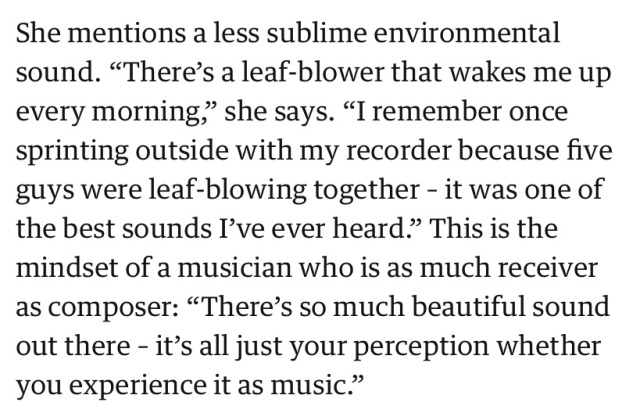
— Kali Malone in The Guardian
“There are people who sponsor us because they don’t want to tell us what to do. They like the fact that we’re going to ignore them, that we’re even going to alienate them at times. It’s really great when listeners say, “I’m going to contribute to WFMU because you annoy me at times.” Because in a world where things like [Spotify’s AI DJ] just feed you what you already have and things that sound just like what you already have, yeah, it’s great to have surprises. It’s great to have mystery, it’s … human to hear people screw up on the air, to miscue records. But then sometimes you get this alchemy.”
— Gaylord Fields on the inimitable humanity of freeform radio.